


18 Dec Piping Installation: Challenges & Best Practices to Know
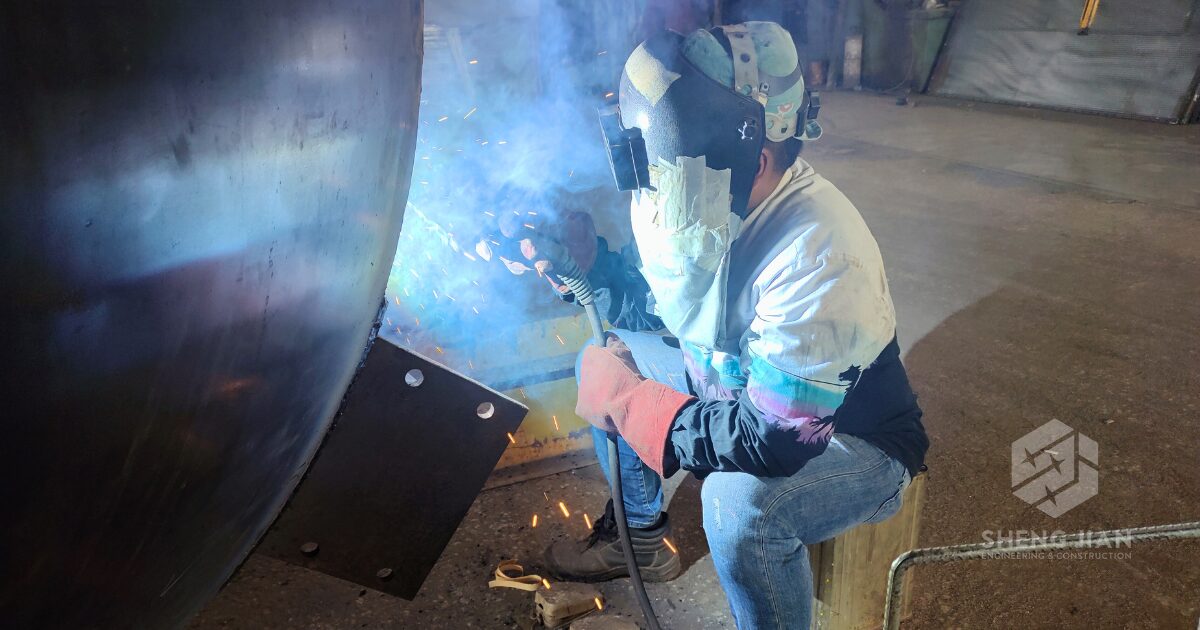 In any large-scale industrial development like a refinery, manufacturing facility, or chemical plant, piping installation is critical to ensuring operational flow, safety, and efficiency. These systems serve as the arteries of a plant, transporting fluids, gases, or chemicals to where they’re needed most.
However, industrial piping installation is often more complex than it appears on paper. Tight spatial configurations, misaligned pipe spools, delayed coordination between trades… it’s not uncommon for challenges to arise during execution.
Let’s explore the common on-site obstacles and the best practices used by experienced teams to overcome them.
Common challenges during pipework installation
1. Confined and congested spaces
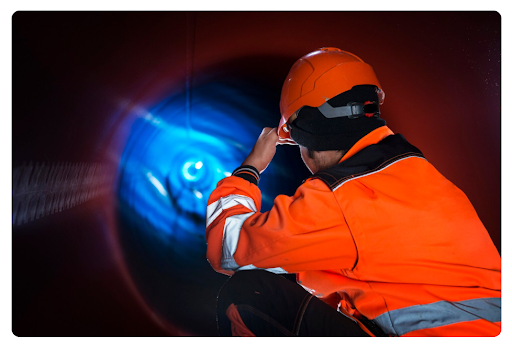
Industrial sites are notoriously tight, with limited access points for workers and equipment. Fitting industrial piping runs into these areas can be logistically difficult, especially during brownfield expansions. Improper spatial planning can also lead to clashes with structural components or other MEP (Mechanical, Electrical, and Plumbing) systems.
Best practice: Early layout modelling using BIM (Building Information Modelling) or 3D design software allows teams to visualise pipe routing, plan supports, and avoid interference with surrounding elements.
2. Misalignment and fit-up issues
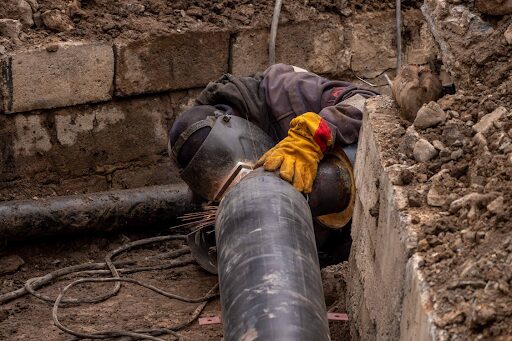
During pipework installation, even millimetre-level deviations can result in misalignment between sections. Inconsistent spool fabrication, uneven foundations, or site conditions can contribute to fit-up problems that lead to costly on-site adjustments and delays.
Best practice: Pre-fabricate in controlled environments with strict QA/QC protocols minimises discrepancies. Using laser alignment tools and adjustable supports when on-site also helps ensure precise connections and fewer discrepancies.
3. Poor welding sequences or workmanship
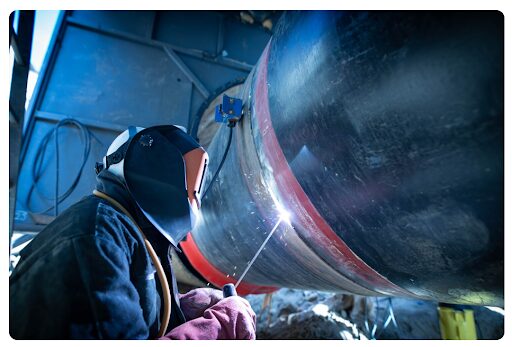
mproper welding practices can lead to stress accumulation, distortion, or cracks, especially in high-pressure or corrosive service lines. If sequencing is also inadequate, this may cause access issues for subsequent welds.
Best practice: Use certified welders, follow approved welding procedures, and apply proper weld sequencing to ensure structural integrity and service longevity.
4. Inadequate piping support
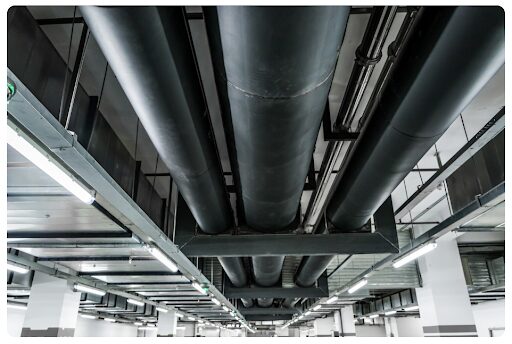
Long pipe runs can sag, vibrate excessively, or experience thermal expansion stresses without proper piping support to hold them in place. This can lead to leaks or failure over time.
Best practice: Install hangers, guides, and anchors in line with system design specifications. Use spring supports or expansion loops where needed to accommodate movement.
Safety and coordination considerations
Besides physical challenges, proper stakeholder coordination and adherence to safety are other major aspects for pipework installation to be successful. Pipe runs often need to be integrated with existing structures, electrical systems, or automation units.
At the same time, safety risks have to be accounted for when it comes to welding and rigging activities that involve hot work, confined space entry, and elevated work.
All in all, this calls for strong industrial project management practices, including:
- Daily coordination meetings between trades
- Safe work method statements (SWMS)
- Real-time tracking of piping progress using digital tools
Best practices to ensure a successful piping installation
To maximise system performance and avoid costly rework or failures, industrial developers and contractors should:
- Involve a qualified pipe fabricator early in the planning phase to review the feasibility of your designs.
- Use modular or pre-fabricated skids for sections that are difficult to install on-site.
- Implement phased testing (e.g., hydrostatic or pneumatic) after key milestones.
- Establish a system for documentation, change orders, and quality control checkpoints.
Carry out safe piping installation with SJEC today!
A well-executed piping installation is critical to the smooth operation of any industrial facility. Your pipes need to be properly aligned, have the right pressure control to meet stringent safety codes, and ensure every step of the process is carried out correctly to ensure they perform reliably in the long term.
To that end, having the right partner, such as SJEC, can get the job done. As a trusted pipe fabricator in Malaysia, we have decades of experience in both industrial piping design and on-site implementation. Our team is equipped to reliably handle complex layouts, tight installation windows, and evolving site conditions, ensuring your plant’s piping needs are met.
Learn more about our pipe fabrication and installation services today.
FAQs
What is the process of piping?
The piping process involves several key stages: planning, design, material selection, prefabrication, installation, and testing. It starts with layout drawings, followed by cutting, welding, and assembling pipes on-site.
Once the pipes are in place, pressure testing and inspection are carried out to ensure safety and compliance.
What are the three types of pipelines?
The three main types of pipelines are liquid pipelines, gas pipelines, and slurry pipelines. Each is designed to transport specific materials, with differences in materials, pressure capacity, and safety features based on their use.
What are the two most commonly used types of pipes?
Carbon steel pipes and stainless steel pipes are the two most widely used in industrial piping settings. Carbon steel is favoured for strength and cost-effectiveness, while stainless steel offers superior corrosion resistance for harsher environments.