


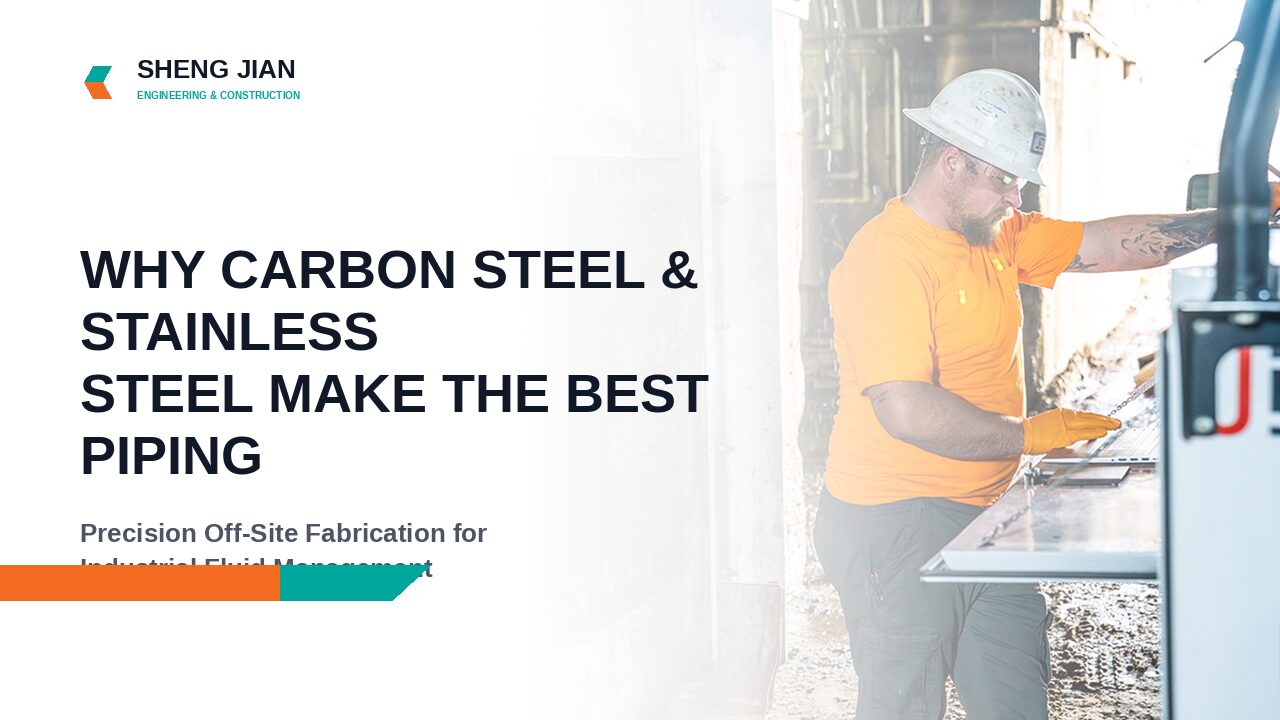
13 Aug High-Purity Process Piping Systems & Modular Skid Fabrication
Industrial process piping forms the life-sustaining circulatory system of modern manufacturing, chemical processing, palm oil refining, and semiconductor manufacturing facilities. Safely transporting high-pressure steam, aggressive acids, volatile solvents, and high-purity gases demands precision piping design, flawless weld integrity, and strict material selection.
To avoid costly project delays associated with traditional field-welded piping, plant owners are increasingly adopting off-site modular skid fabrication. Pre-assembling process equipment, valves, instrumentation, and piping into self-contained steel modules transforms complex plant builds into fast, predictable installations.
The Advantages of Modular Off-Site Skid Fabrication
Fabricating piping skids within a controlled workshop environment eliminates field disruptions caused by inclement weather, congested site conditions, and limited on-site trade coordination.
Key benefits of off-site modular skid fabrication include:
- Superior Welding Quality: Utilizing automated TIG orbital welding and controlled shop environment parameters to achieve consistent, high-quality weld seams
- Precision Component Integration: Incorporating high-performance valves, pressure regulators, and fluid control fittings from trusted manufacturers like Swagelok
- Pre-Commissioned Control Systems: Pre-wiring skids with flowmeters and PLC control interfaces compatible with global automation platforms like Yokogawa Electric
- Accelerated Site Installation: Delivering complete, fully-tested skids directly to site for quick hookup, significantly reducing overall plant commissioning timelines
Material Selection for Demanding Process Environments
Selecting the correct piping material is vital for preventing fluid contamination and premature pipe wall thinning. Carbon steel is widely used for high-pressure utility steam and non-corrosive oil lines. In contrast, 304L/316L stainless steel, duplex alloys, or PTFE-lined piping are required for corrosive chemical transfer and high-purity applications.
Rigorous Shop Testing & Quality Validation
Every modular skid built in the shop undergoes stringent quality checks before site delivery. Hydrostatic pressure testing, pneumatic testing, helium leak detection, and 100% radiographic weld inspection ensure that every pipe spool operates safely under working pressures.
At SJEC, our specialized piping fabrication team delivers custom process spools and modular skids engineered for peak operational performance. Read more about our project delivery capabilities on our industrial project management page or contact SJEC today.
FAQs
Why use off-site modular skid fabrication for process piping?
Off-site skid fabrication allows piping, valves, instruments, and control components to be assembled and tested in a controlled workshop. This can improve fabrication consistency, reduce site congestion, and shorten final installation and commissioning activities.
How is process piping material selected?
Material selection depends on pressure, temperature, corrosion risk, contamination sensitivity, and the fluid being transported. Carbon steel is commonly used for suitable utility and non-corrosive services, while stainless steel, duplex alloys, or lined piping may be required for corrosive or high-purity applications.