


18 Dec Factory Construction: What Industrial Developers Must Know
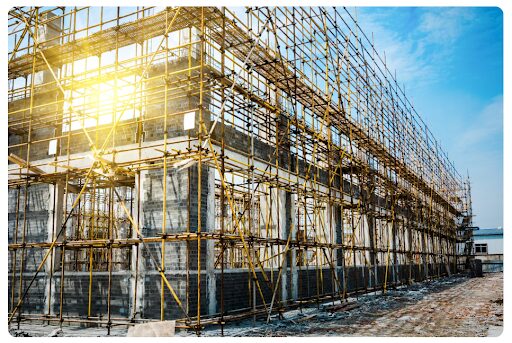 Factory construction is a major undertaking, especially in Malaysia’s fast-evolving industrial sector, where location, regulation, and construction timelines can directly impact your bottom line. With this level of construction, every stage of the project must be approached with strategic care, whether you’re expanding manufacturing capabilities, building a logistics hub, or setting up a new facility.
Here are some of the most essential considerations for industrial facility construction in Malaysia, from planning to execution.
Site selection and zoning regulations
The first and most critical decision is where to build your factory.
Local authorities, such as MBPJ (Majlis Bandaraya Petaling Jaya) or MPK (Majlis Perbandaran Klang), regulate industrial zones across Malaysia, including the construction of factory buildings. Your site must align with the nature of your operations, be it heavy industry, light manufacturing, or logistics.
Factors to evaluate during site selection include:
- Accessibility to ports, highways, or railways
- Proximity to suppliers, utilities, and labour
- Soil stability and flood risk
- Local zoning laws and permissible use
- Availability of infrastructure such as water, electricity, and broadband
Choosing the right site is important for avoiding compliance issues and ensuring your factory functions efficiently from day one.
Navigating permits and approvals
Factory construction in Malaysia requires navigating various government agencies and submitting technical documentation for review.
Key permits and approvals include:
- Land conversion or use approval (if required; these are obtained from state land offices)
- Planning permission from local authorities
- Environmental Impact Assessments (EIA), especially for large-scale or polluting industries
- Fire safety, drainage, and utility clearance
- Building plan approvals from city councils or municipal bodies
It’s a long process, so it can be wise to engage a contractor or consultant with experience in local industrial construction to help streamline this process and reduce costly delays.
Design considerations for efficient factory layout
The internal layout of a factory greatly affects long-term operational efficiency. Considerations for your design should include:
- Production flow and spatial requirements
- Equipment anchoring and vibration control
- Material handling routes (manual or automated)
- Staff amenities, offices, and safety zones
- Expandability for future growth
For industrial developers, this is the time to work closely with engineers and a factory construction company to ensure the design balances productivity, safety, and flexibility.
Structural and material choices
Steel-framed construction is widely used in industrial facility construction for its speed, strength, and flexibility. Important factors to consider early on include roof loading, ventilation systems, mezzanine support, and foundation design.
If your facility requires high-span, open spaces or support for heavy equipment, structural steel integration is a worthwhile consideration due to its strong qualities.
Understanding the cost of building a factory in Malaysia
The cost of building a factory in Malaysia can vary widely depending on size, complexity, location, and materials. On average, costs can range:
- Small-scale factories (10,000–20,000 sq ft): RM2.5M – RM5M+
- Mid-size facilities with specialised equipment: RM8M – RM20M+
- Large plants with automation or heavy-duty requirements: RM30M+
Those are just construction costs, so additional budget will be needed for:
- Land purchase or lease
- Professional fees (engineering, legal, environmental)
- Utility connection and site prep
- Permit and approval fees
- Contingencies (5–10% buffer)
Timelines and project coordination
Construction of factory buildings in Malaysia can take anywhere from 8 to 24 months, depending on the complexity. Challenges like misaligned project timelines, overlapping contractor schedules, or approval backlogs may happen, so it’s best to account for potential delays.
You should implement clear project milestones and have proper industrial project management in place to coordinate stakeholders, contractors, and compliance across the board.
Work with SJEC as your trusted factory construction company in Malaysia!
Being no small building, factories are both large facilities and the foundation of your business operations for decades to come. You’ll want every step to be properly accounted for, but given the complexity of the process, choosing the right partner for design and execution can ensure your long-term success.
With over 24 years of experience in industrial construction across Malaysia, SJEC delivers comprehensive factory building services, from concept to commissioning. Our team handles every stage from civil works and steel framing to M&E integration and compliance, ensuring your factory is built to perform and ready for future growth.
Explore how SJEC can support your next industrial project as a leading factory construction company in Malaysia.
FAQs
Who issues manufacturing licenses in Malaysia?
In Malaysia, the Malaysian Investment Development Authority (MIDA) is responsible for issuing manufacturing licenses under the Industrial Coordination Act 1975. Certain sectors may also require additional approvals depending on their industry.
Can foreigners buy or build a factory in Malaysia?
Yes, if you’re a foreigner, you can buy or build factories in Malaysia, but you must comply with local regulations, investment thresholds, and licensing requirements. Approval from MIDA and other authorities is required, especially for strategic or restricted sectors.